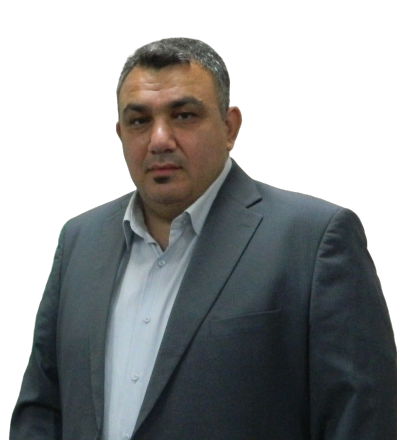

✍️ By: Dr. Abdelaziz Tarekji
Researcher in international human rights violations, investigative journalist, and counter-terrorism specialist
While the world turns its attention to multiple international conflicts, Gaza silently slips into a humanitarian catastrophe unprecedented in modern history. This is no longer merely about the number of casualties or the destruction of infrastructure — it is about a systematic act of collective starvation affecting over two million people, most of them children and women.
What is happening in Gaza today can no longer be described simply as “war”; it has become a policy of extermination through multiple means, including the deliberate use of hunger as a weapon to break the will of an entire people.
Starvation as a Weapon: A Crime Against Humanity
According to Article 8(2)(b)(xxv) of the Rome Statute of the International Criminal Court, intentionally starving civilians as a method of warfare is classified as a war crime. Article 54 of the 1977 Additional Protocol I to the Geneva Conventions prohibits attacks on, destruction, or removal of objects indispensable to the survival of the civilian population, including food supplies and water infrastructure.
Despite the clarity of these provisions, the situation on the ground reveals a deliberate blockade, preventing the entry of food, water, and fuel, and even targeting aid convoys with airstrikes.
Beyond the Military Narrative: This Is Not a War Against Hamas
Since the outbreak of the recent escalation, the dominant narrative has framed the conflict as a confrontation between Israel and Hamas. However, facts documented by satellite imagery, humanitarian agencies, and field doctors and activists point to a systematic targeting of civilian infrastructure — refugee camps, hospitals, bakeries, and emergency medical teams.
The military operation has turned into a clear policy of collective punishment, which is prohibited under Article 33 of the Fourth Geneva Convention.
Targeting Medical Facilities, Media, and Aid Points: Grave Violations Amounting to War Crimes
The attacks have not been limited to civilians or infrastructure — they have consistently struck medical facilities, journalists, and aid distribution centers, constituting a blatant violation of international humanitarian law.
Article 18 of the Fourth Geneva Convention affirms that medical units must be protected at all times unless they are used outside their humanitarian functions. Article 12 of Additional Protocol I (1977) reinforces this protection in all circumstances.
Numerous reports document the bombing of hospitals, ambulances, and humanitarian personnel — including those from UNRWA and Médecins Sans Frontières. Journalists wearing clearly marked press vests have also been killed or injured, in violation of Article 79 of Additional Protocol I, which protects civilian journalists in conflict zones.
Moreover, aid distribution points, which should be neutral and protected, have been deliberately targeted — including civilians queuing for bread or humanitarian aid. This violates Article 70 of the same protocol, which obligates warring parties to facilitate unimpeded humanitarian relief.
Furthermore, under Article 8(2)(b)(iii) of the Rome Statute, it is a war crime to intentionally direct attacks against personnel or facilities involved in humanitarian missions. These repeated violations indicate a deliberate policy to suppress aid and restrict information — constituting a form of gradual extermination.
The Silence of the International Community: Complicity or Incompetence?
The UN Security Council’s failure to issue binding resolutions — relying instead on expressions of “concern” — raises serious questions about the effectiveness of the international system. The unwillingness of major powers to pressure for a ceasefire constitutes a grave breach of their obligations under the UN Charter, particularly Article 1, which mandates collective measures to maintain international peace and security.
This silence, in the face of well-documented atrocities, amounts to de facto complicity in the prolongation of mass suffering.
Legal Obligations of the United Nations and Member States
The United Nations and its humanitarian agencies must move beyond statements and take immediate legal and operational action, including:
Deploying an independent international fact-finding mission on the use of starvation as a weapon.
Activating Article 99 of the UN Charter, empowering the Secretary-General to intervene when peace is under threat.
Establishing protected humanitarian corridors to allow the flow of food, water, and medical supplies, as required by Article 70 of Additional Protocol I.
Applying universal jurisdiction to prosecute perpetrators where the International Criminal Court lacks access or jurisdiction.
Conclusion: Humanity on the Edge
What is happening in Gaza is not merely a regional or political crisis — it is a fundamental test of international law and human conscience. While the war may have begun with gunfire, it now continues through siege, starvation, and slow, agonizing death. Justifying this reality under the guise of “self-defense” is nothing less than legal and moral complicity.
The world stands today at a critical crossroads:
It must act swiftly to halt the descent into total genocide, or it will bear the indelible stain of having permitted the “crime of the century.”
The cries of starving children, the screams of women beneath the rubble, and the moans of the wounded denied treatment echo through the conscience of a global community unable — or unwilling — to protect the innocent.
Saving the civilians of Gaza is no longer a political debate —
it is a legal, ethical, and human obligation…
before what remains of international legitimacy is buried with them.